
-
By
-
July 19, 2026
-
No Comments
Almost every spiritual tradition warns against craving money. Fewer ask a subtler, less comfortable question: what about simply holding it, long after the craving has stopped? A person can earn honestly, without greed, and still end up sitting on far more than they will ever need. Is that neutral? Or does the mere fact of holding — independent of how it was earned or whether it’s still desired — carry its own quiet cost?
Craving is not the only problem
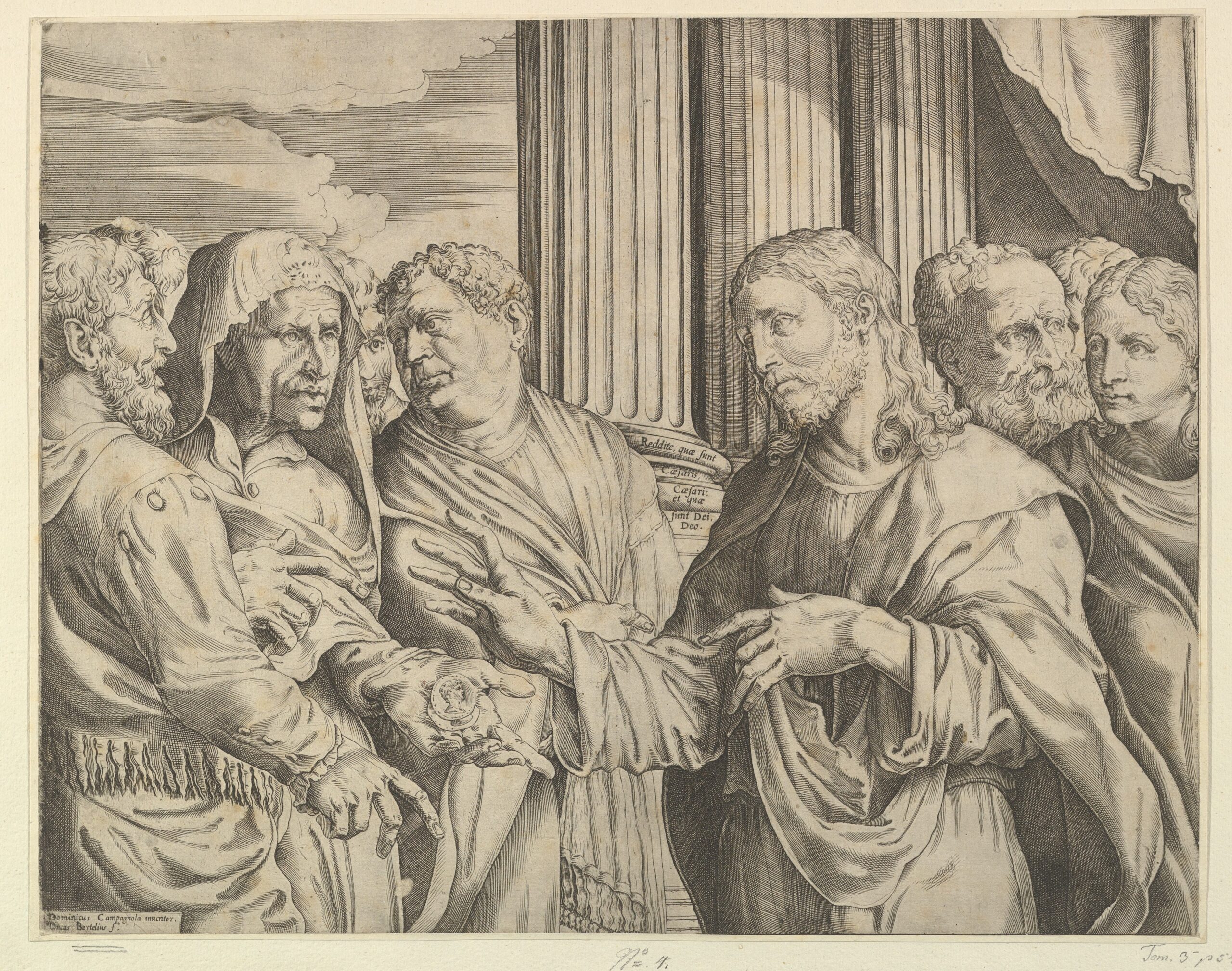
Most Indian philosophical traditions frame the danger of wealth almost entirely in terms of desire — greed, attachment, the chase. Interestingly, a different emphasis shows up elsewhere: “do not store up treasures on earth,” or the image of a camel passing through the eye of a needle, are not really about craving at all. They’re about the state of being wealthy itself as an obstacle, regardless of how it was acquired or what’s still wanted from it. That’s worth sitting with, because it points at something the craving-focused traditions can sometimes miss: you can be entirely free of greed and still be carrying something heavy.
Consider the natural world for a moment. No other creature hoards beyond its needs — most live day to day, taking what’s required and no more. Hoarding, as a behavior, appears to be uniquely human, and it creates a kind of friction with the way everything else in nature is organized. If someone hands you a thousand mangoes, the obvious, almost biological response is to share nine hundred before they spoil — not out of altruism alone, but because mangoes are meant to move, not sit. Money behaves the same way, except money doesn’t visibly rot, so the pressure to let it flow never announces itself the way spoiling fruit does.
What holding too much actually does to a person
The costs of surplus wealth rarely show up as dramatic events. They accumulate quietly, the way any slow erosion does. Motivation softens — the inner fire that drives growth, creativity, and striving tends to dim when nothing is genuinely at stake anymore, the way certain fish, according to an old observation, become sluggish and inactive until a predator is introduced back into the tank to give them a reason to move. Relationships subtly distort, narrowing into a bubble where it becomes difficult to know whether you’re valued for yourself or for what you can provide, and where authentic connection quietly becomes harder to find. Security, instead of arriving once and for all, often intensifies into its opposite — a growing anxiety about protecting what’s been accumulated, disproportionate to any real threat. And a kind of self-worth creep sets in, where net worth and self-worth start to blur, so that ordinary market fluctuations begin to shake something that should never have been up for negotiation in the first place.
None of this touches the genuine, if narrower, benefits money provides: convenience, time freed from constant survival pressure, access to learning and experience, and — used well — real amplifying power for causes, art, and people who need it. The point isn’t that money is corrosive by nature. It’s that surplus, past a certain threshold, tends to produce costs that rarely announce themselves as costs, which is exactly what makes them worth naming out loud.
The harder question underneath: how wealth gets made
There’s a second, thornier layer to this that most spiritual writing sidesteps entirely: not just what happens once wealth is held, but what it took to create it in the first place. Look closely at almost any sector and a pattern emerges — value is often extracted from someone else’s need, vulnerability, or manufactured desire. A healthcare system can profit more from continued treatment than from a cure. Land speculation profits from someone else’s eventual need for shelter. Entire industries manufacture appetites that didn’t exist a generation ago and then sell the satisfaction of them. Even sectors that look comparatively clean — media, technology, entertainment — can end up profiting from shortened attention spans and strained relationships, a kind of harm subtle enough that only someone paying close attention tends to notice it at all.
Taken seriously, this observation is uncomfortable, because it suggests that almost no wealth, traced back far enough, is entirely uncontaminated by someone else’s cost. If that’s true, is there a “clean” way to be wealthy at all, or does spirituality only ever offer renunciation as the exit?
Himsa, minimized rather than eliminated
The more workable answer, and the one closer to how these traditions actually function in practice, isn’t total withdrawal from the world. Some traditions have tried that route to its logical extreme — going to such lengths to avoid causing any harm that ordinary functioning in the world becomes nearly impossible. Most wisdom traditions land somewhere more livable: some himsa, some cost imposed simply by existing and participating, is unavoidable. The discipline is not to eliminate it, which isn’t realistically available to anyone still functioning in the world, but to minimize it, stay conscious of it, and refuse to let it silently compound.
This reframes the whole question usefully. Earning enough to remain functional, capable, and able to contribute is not a compromise of dharma — a person who becomes dysfunctional through excessive renunciation contributes nothing to anyone. But once earning tips into accumulating well past what function requires, the balance shifts from dharma into something closer to its opposite.
Flow, not hold
This is really the whole of it, distilled: let money flow, don’t let it collect. Every tradition that has looked honestly at wealth eventually arrives at some version of this same instruction — the Gita’s emphasis on right action without fixation on its fruits, the Middle Way’s rejection of both indulgence and extreme denial, the old prayer for daily bread rather than storehouses. None of them ask for poverty. All of them ask for circulation.
And there’s a deeper reason this matters beyond the merely practical. The end point every liberated tradition describes is the dissolving of separateness — the sense of “I” and “mine” giving way to something more continuous with everything else. Accumulation, almost mechanically, does the opposite: it draws a harder line around the self, reinforces the story of “mine, not yours,” and thickens exactly the boundary that the entire spiritual project is trying to dissolve. Earning honestly and living well is not the obstacle. What quietly works against the deeper aim is holding far past the point of need, mistaking the accumulation for security, when the security it promises was never really there to begin with.


Related Post




@ 2025 Copyright. Design & Developed by
NexKode Lab